
"Central American coffee origins"
2000 article(s) found

Flavor description of El Salvador Pacamara Coffee beans; introduction to the regional treatment of manor production
El Salvador Pacamara coffee bean flavor description taste manor regional treatment method El Salvador attaches importance to the development of relations with neighboring countries and other Latin American countries, and actively promotes the process of Central American integration with the northern triangular countries as the core. In February 2000, sa representatives attended the EU Central American meeting in San Jose, and in April, President Flores met with the President of Brazil in Nicaragua.

A brief introduction to the description of the flavor, taste and aroma characteristics of El Qomolangma coffee beans with excellent balance
Unique, mild-tasting El Salvador coffee El Salvador is one of the small countries in Central America with a very dense population. The flavor of its coffee is characterized by excellent balance. Today, this coffee accounts for 40% of the country's exports. After the best quality coffee comes out from January to March, 35% of the extra hard beans are exported to Germany. El Salvador's coffee is a specialty of Central America.
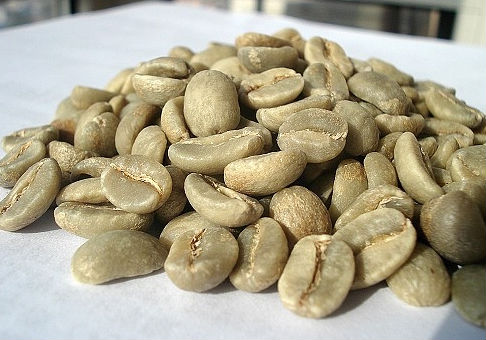
Boutique coffee beans: Typica Varietal of coffee varieties
Variety: Typica (also known as Criolla, Sumatra, or Blue Mountain) related: original species found: central American growth altitude: best at high altitude type: primitive species are more common: central American coffee fruit color: red fruit size: large, oval leaf characteristics: thin, long Dibica is more common in Jamaica in Central America and Indonesia Island in Asia.

Introduction to the baking degree of high-quality coffee beans in El Salvador coffee producing areas
The Salvadoran flag was launched in 1822, rescinded in 1865 and restored in 1912. The Constitution of the year of the Salvadoran Flag in 1972 was officially established as the national flag. The national flag is rectangular, with a ratio of length to width of 335 to 189. From top to bottom, the flag is connected by three parallel equal horizontal rectangles of blue, white and blue, and the central part of the white part is painted with the national emblem. Because El Salvador used to be

Which major countries in America mainly produce coffee
Which major countries in the Americas mainly produce coffee began in Central America in the 18th century, and this important economic product originated in Costa Rica around 1840. Since Central America became independent from Spain in 1821, there has been a lot of war. Because Costa Rica was far away from Guatemala City, the capital of the Spanish colony at that time, it was not affected by the civil war, but Guatemala.

The influence of delicious Central and South American Coffee beans on World Coffee what do you mean by premium coffee beans?
There are many coffee producing areas in Central America, which show their elegant demeanor in all the major coffee competitions. As an important part of boutique coffee, what is his influence on the world boutique coffee? What are his unique features worth imitating and learning? Next, let the editor study with you. The first point is that it has greatly increased the market price of coffee beans.

The origin and development history and culture of fine coffee beans
In many countries coffee production is severely affected for political reasons. The coffee industry in Nicaragua is no exception. The revolution of 1979 forced coffee growers to flee to Miami. A period of uncertainty ensued as the government considered whether to reallocate land (including many plantations), resulting in coffee shortages and declining yields from the early 1970s.
Introduction to the Variety characteristics of Santa Rita Coffee Bean Flavor treatment in Colombia
Colombia Santa Rita Manor Coffee Flavor description Colombia is one of the largest producers of high-quality coffee in the world, a bright pearl in the world coffee map, and a blessed place for coffee. Arabica coffee is grown on steep slopes 800 to 1900 meters above sea level and is hand-picked and washed. [Santa Rita, Colombia] (depth of washing

A brief introduction to the Origin and Development of Fine Coffee beans in the fragrant and delicious Heavenly Manor
Nicaragua is now one of the poorest countries in Central America. Due to its poor economic foundation, the coffee industry is still relatively backward, while coffee farmers are in extreme poverty. Fortunately, Nicaraguan coffee has received some foreign aid funds to improve the quality of its coffee. Coffee from Madagelba, Sinodega and Segovia in Nicaragua

Introduction to the characteristics of High-quality Coffee in Mercedes Manor Coffee production area
The national emblem of El Salvador was used on September 15, 1912. The national emblem of El Salvador is an equilateral triangle whose three yellow lines represent equality, truth and justice respectively. Five volcanoes rise between the Pacific Ocean and the Atlantic Ocean, symbolizing the five countries in Central America. The pole of freedom and the red cap of freedom stand high on the top of the mountain, radiating the light of freedom and liberation.

American coffee producing area which special Honduran whisky barrel ferments vanilla cream flavor
Professional coffee knowledge exchange more coffee bean information please follow the coffee workshop (Wechat official account cafe_style) front street-Honduras Shirley Coffee introduces Central American rainforest countries, mixed with the mysterious atmosphere of ancient Mayan several Central American enthusiasm, it is suitable for single, medium or deep baking. Coffee beans with a slightly charming fragrance of flowers and fruits, very delicate and elegant

El Salvador Himalayan Coffee Manor with sour, bitter and sweet taste
The national emblem of El Salvador was used on September 15, 1912. The national emblem of El Salvador is an equilateral triangle whose three yellow lines represent equality, truth and justice respectively. Five volcanoes rise between the Pacific Ocean and the Atlantic Ocean, symbolizing the five countries in Central America. The pole of freedom and the red cap of freedom stand high on the top of the mountain, radiating the light of freedom and liberation.
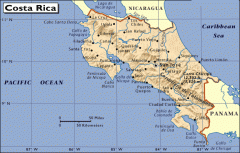
Home-baked boutique coffee (8) Costa Rica
What word is used to describe Costa Rica? Pure. Soft. Equilibrium. This Central American bean has a pure taste that no beans can have, too pure to have any miscellaneous flavor, and this purity translates more into a soft and balanced taste, including its rich fruity aromas. are fresh and lively notes with the natural sweet and sour fruit. In the middle
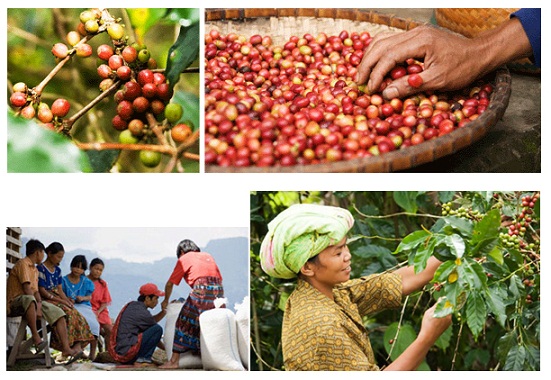
American Coffee Culture Coffee History: Deckley and His Royal Coffee Seedling
Central and South America is now the world's most important coffee-producing area, where more than half of the coffee beans consumed worldwide come from. When it comes to the ancestors of coffee in Central and South America, one cannot fail to mention Martinique, an island, and Gabriel Mathieu de Clieu, a soldier. In 1723, he returned home.
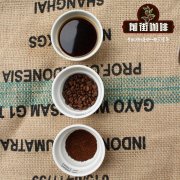
Why does the origin of the basic coffee flavor of the world's three continents affect the taste of coffee?
Where coffee beans come from can greatly affect their flavor. Talking about the basic flavor of the world's three continents, Africa Richard Keane says that when he wants to buy coffee beans from Africa, he is looking for acidity and fruit flavor. Especially in Ethiopia, he focuses on blueberry aromas, as well as as much acidity and fruit as possible. And coffee beans from Kenya, what he wants is Portugal.

A brief introduction to the planting Market Price of El Qomolangma Fine Coffee Bean varieties
Salvadoran coffee ranks side by side with Mexico and Guatemala as producers of Asa and Merdo, and is fighting for the top one or two places in China and the United States with other countries. The highlands of origin are large coffee beans of all sizes, which are fragrant and mild in taste. Like Guatemala and Costa Rica, coffee in El Salvador is graded according to altitude, and the higher the altitude, the better the coffee

Characteristics of Central American Coffee | New Glenda Manor in Guatemala | Geisha Coffee | recommendation of individual Coffee beans
Professional coffee knowledge exchange more coffee bean information please follow the coffee workshop (Wechat official account cafe_style) Guatemala New Glanda Manor African native species Geisha Guatemala borned Geisha New Glenda Manor Guatemala borned Geisha. Guatemalan geisha, native African geisha, cultivated in Guatemala. Geisha Geisha Hara

Mercedes Estate Coffee Bean Origin History Culture Introduction
El Salvador is tied with Mexico and Guatemala as the producer of Asa and Meldo, and is competing with other countries for the top one or two places in Central America. Highland origin, for the size of large coffee beans, fragrant taste mild. As in Guatemala and Costa Rica, coffee in El Salvador is graded according to altitude, with the higher the altitude, the better the coffee.

El San Pedro Manor SHG Coffee Bean Hand Brewing Parameters Recommended_San Pedro Manor Information
Professional coffee knowledge exchange More coffee bean information Please pay attention to coffee workshop (Weixin Official Accounts cafe_style) Green beans come from Central American Salvador coffee J. Hill Cia well-known coffee processing plant with more than 100 years of history, including Bourbon, the most popular among Chinese people, and Pacamara, San Pedro Gourm, the winner of Central American C.O.E.

History of fine coffee beans in Martinique, the birthplace of coffee beans in Central America
For professional baristas, follow the coffee workshop (Wechat official account cafe_style) Martinique, the cradle of American coffee. Martinique is a small island and the birthplace of Central American coffee, but it produces very little coffee today. The first coffee tree in the Western Hemisphere was created by Gabriel Mathieu de Clieu in the early 1820s.